Self Love Self: Why Loving Yourself Feels Harder Than It Sounds

I didn’t search self love self because I didn’t know what self-love meant.
I searched it because I was tired.
Tired of doing “all the right things” and still feeling like I was falling short.
Tired of hearing that I should be kinder to myself without anyone explaining why being kind felt so unnatural.
Tired of wondering whether I was missing something everyone else seemed to understand.
If you’ve ever typed self love self into a search bar, chances are you weren’t looking for a definition. You were looking for relief—something that finally made this idea feel real instead of performative.
When Self Love Becomes Another Thing You Fail At
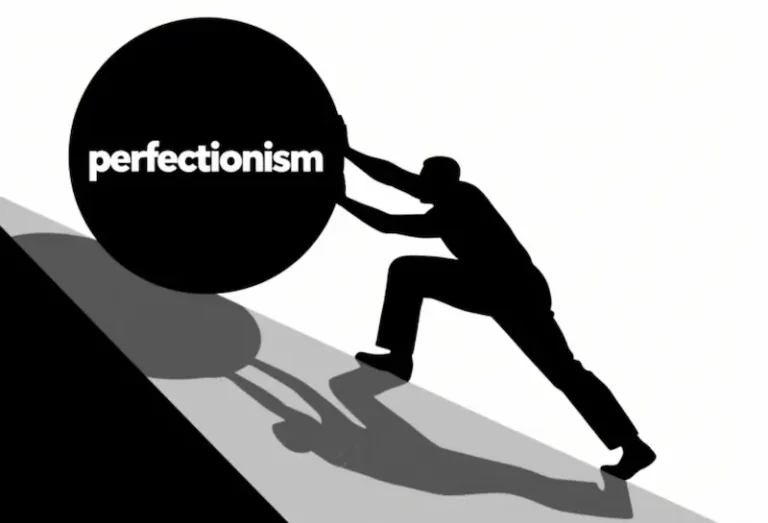
Somewhere along the way, self-love turned into a standard.
Wake up earlier.
Think more positively.
Set boundaries perfectly.
Heal faster.
And if you don’t? You’re “not loving yourself enough.”
That’s the quiet trap behind self love self.
What starts as compassion slowly becomes pressure.
I’ve noticed that many people don’t struggle with loving themselves because they don’t care. They struggle because they care so much that self-love becomes another metric they feel judged by. Instead of relief, it brings self-surveillance.
Ironically, trying to “do self-love right” can feel like emotional micromanagement.
Self Love Self Is Not About Being Nicer — It’s About Being Honest
There’s a version of self-love that sounds pleasant but feels hollow.
It tells you to stay positive.
To reframe everything.
To turn pain into productivity.
But real self love self doesn’t start with kindness. It starts with honesty.
Honesty sounds like:
- “I’m exhausted, and pretending I’m fine is making it worse.”
- “I keep saying yes because I’m afraid of what happens if I don’t.”
- “I don’t hate myself—I just don’t trust myself yet.”
That kind of honesty isn’t comforting at first. It doesn’t glow. But it creates space where something real can exist.
The Inner Voice You Call “Motivation” Might Be the Problem
Most people don’t speak to themselves the way they speak to anyone they care about.
The inner voice pushes. Corrects. Judges.
It claims to be helpful, but it’s rarely gentle.
When people talk about self love self, they often imagine changing behavior. But what actually needs attention is tone.
The tone you use when you’re late again.
The tone when you rest without earning it.
The tone when you don’t meet your own expectations.
Self-love doesn’t require a new personality. It requires a different voice.
Why Loving Yourself Feels Uncomfortable at First
This part doesn’t get talked about enough.
For many people, being hard on themselves feels familiar. It feels productive. It feels safe.
Self-compassion, on the other hand, can feel suspicious. Unstructured. Even irresponsible.
That’s why self love self often feels uncomfortable at first—not because it’s wrong, but because it’s unfamiliar. When you stop pushing yourself with fear, there’s a moment where you don’t know what’s supposed to move you anymore.
That pause can feel like emptiness. But it isn’t. It’s space.
Redefining Self Love Self as a Relationship, Not a Habit
We talk about self-love like it’s a routine.
Something you do before bed or on weekends.
But self love self makes more sense when you see it as a relationship.
And like any relationship, it has patterns.
Some people are demanding with themselves.
Some are distant.
Some only show up when things are going well.
If you wouldn’t expect a relationship with another person to heal through surface-level gestures alone, why expect that from yourself?
Self-love deepens not through intensity, but through consistency—especially when things feel messy.
What Self Love Self Looks Like in Real Life (Not Online)
Real self-love doesn’t always look calm.
Sometimes it looks like changing your mind.
Sometimes it looks like disappointment without self-punishment.
Sometimes it looks like doing less and resisting the urge to justify it.
The quiet version of self love self is rarely shareable. It doesn’t make great captions. But it changes how you move through ordinary days.
It sounds like:
“I’m allowed to learn at my own pace.”
“I don’t need to turn every struggle into a lesson yet.”
“I can care about growth without turning myself into a project.”
Small Shifts That Change How You Treat Yourself
Not transformations. Shifts.
- Pausing before criticizing yourself, even if the criticism still comes.
- Letting rest be neutral instead of earned.
- Noticing when your standards tighten during stress.
These aren’t techniques. They’re moments of awareness.
And over time, they reshape what self love self actually feels like—less like an achievement, more like a return.
You Don’t Need to Love Yourself All the Time
This might be the most important part.
Self-love isn’t a constant state. It’s not confidence on demand. It’s not permanent self-acceptance.
Self love self is the ability to come back—to yourself—without punishment.
Some days you’ll feel grounded.
Some days you won’t.
And none of that disqualifies you.
You don’t fail at self-love because you struggle. You practice it by noticing how you respond to that struggle.
FAQ
Is self love self the same as self-care?
Not exactly. Self-care focuses on actions. Self love self is about how you relate to yourself before, during, and after those actions.
Why does self-love feel fake to me?
Often because it’s approached as something you’re supposed to feel, rather than something you’re allowed to build slowly.
Can I still doubt myself and practice self-love?
Yes. Self-love doesn’t remove doubt—it softens how you treat yourself when doubt appears.
References
- Neff, K. (2011). Self-Compassion: The Proven Power of Being Kind to Yourself
- Brown, B. (2010). The Gifts of Imperfection