
Stimulus Generalization in Psychology: A Comprehensive Guide to Definition, History, Examples & Applications
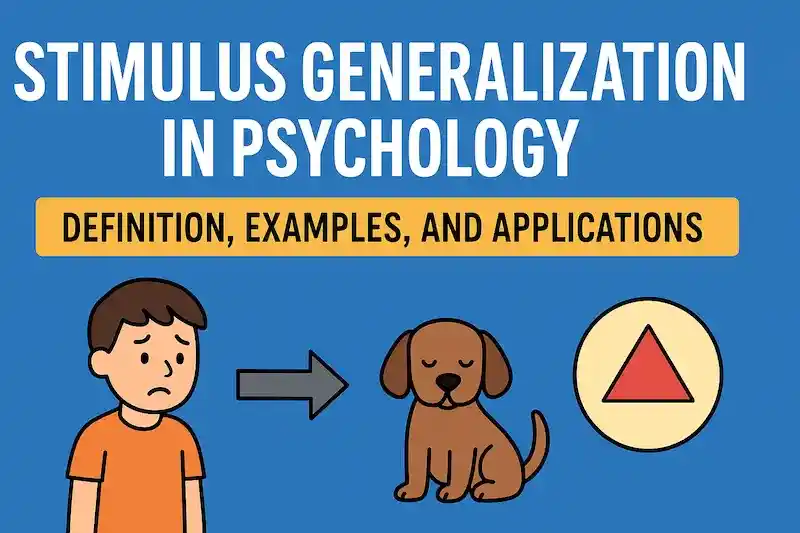
Table of Contents
Introduction
From a toddler who cries at the sight of all dogs after a single scary encounter to a professional who applies project management skills learned in one job to a new role, stimulus generalization is a foundational psychological process that shapes how all organisms learn and adapt. It is the invisible thread connecting past experiences to present behavior, allowing humans and animals alike to navigate a world filled with overlapping cues, similar situations, and novel stimuli without re-learning every response from scratch. In psychology, stimulus generalization is more than a theoretical concept—it is a practical phenomenon with far-reaching implications across education, therapy, marketing, animal training, and daily decision-making. This article explores every dimension of stimulus generalization, from its formal psychology definition and historical roots to real-world examples, related terms like stimulus discrimination, and evidence-based applications. By unpacking core questions such as “what is stimulus generalization?” and “why is stimulus generalization important?,” we reveal how this process influences everything from childhood development to clinical interventions, and how it works in tandem with complementary concepts like stimulus discrimination to foster adaptive behavior.
What Is Stimulus Generalization in Psychology? (Psychology Definition + What Is Stimulus Generalization)
At its core, stimulus generalization in psychology refers to the tendency for a learned response to a specific stimulus to extend to similar but non-identical stimuli that share key features. This process occurs when an organism—whether a human, dog, or rat—fails to distinguish between a conditioned stimulus (CS) and other stimuli that resemble it, leading to the same conditioned response (CR) originally paired with the CS. Unlike targeted learning that is limited to one specific cue, stimulus generalization reflects the brain’s innate drive to categorize experiences, identify patterns, and apply prior knowledge broadly.
From a cognitive perspective, stimulus generalization relies on neural mechanisms related to pattern recognition and associative learning. The brain’s prefrontal cortex, which processes decision-making and executive function, and the hippocampus, which stores contextual memories, work together to link similar stimuli to past consequences—whether rewards, punishments, or emotional reactions. A key related concept is the generalization gradient, a measurable curve that illustrates how the strength of the conditioned response decreases as the similarity between the original stimulus and the new stimulus diminishes. For example, a dog trained to salivate at a 500 Hz bell tone will salivate more intensely at a 550 Hz tone (high similarity) than at a 1000 Hz tone (low similarity), demonstrating that proximity to the original stimulus directly impacts response strength.
Stimulus generalization is distinct from other learning phenomena in that it is not tied to intentional effort or conscious awareness. It operates automatically, often outside of explicit thought, making it a universal and involuntary aspect of human and animal behavior. Whether you instinctively flinch at a sound similar to a car horn or feel comforted by a scent that reminds you of childhood, you are experiencing stimulus generalization in action.
History of Stimulus Generalization in Psychology (History & Examples – Historical Context)
The study of stimulus generalization emerged alongside the rise of behaviorism in the late 19th and early 20th centuries, a school of psychology focused on observable behavior rather than internal mental processes. Its origins can be traced to the foundational work of three key figures: Ivan Pavlov, John B. Watson, and Edward Thorndike, whose experiments laid the groundwork for understanding how learned responses transfer to similar stimuli.
Early Foundational Research
Ivan Pavlov’s classical conditioning experiments with dogs, conducted in the 1890s, were the first to systematically document stimulus generalization. After conditioning dogs to salivate at the sound of a bell (paired with food), Pavlov observed that the dogs began salivating at similar sounds—including doorbells, whistles, and even musical notes—despite these stimuli never being paired with food. This accidental discovery revealed that generalization was an inherent part of the conditioning process, not an anomaly.
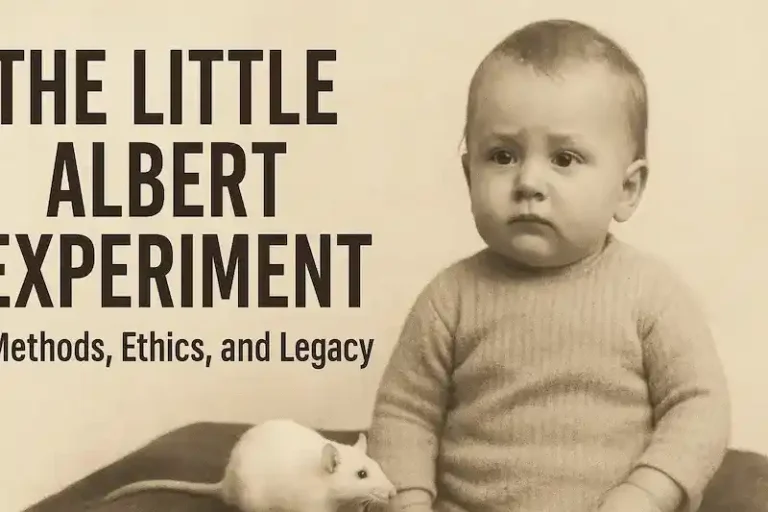
In 1920, John B. Watson and Rosalie Rayner’s “Little Albert Experiment” expanded on Pavlov’s work by demonstrating stimulus generalization in humans. The researchers conditioned an 11-month-old infant named Albert to fear a white rat by pairing the rat with a loud, frightening noise (a steel bar struck with a hammer). Over time, Albert’s fear generalized to other white, furry stimuli, including rabbits, dogs, fur coats, and a Santa Claus mask with white cotton whiskers. This experiment remains one of the most famous examples of stimulus generalization, highlighting how emotional responses—even negative ones—can spread to similar cues.
Edward Thorndike’s work on operant conditioning in the early 1900s further solidified the concept. Thorndike’s “Law of Effect” posited that behaviors followed by positive consequences are more likely to be repeated, while those followed by negative consequences are suppressed. He observed that animals trained to perform a task (e.g., cats escaping a puzzle box) would generalize that behavior to similar boxes, demonstrating that operant conditioning—like classical conditioning—relies on generalization to be adaptive.
Theoretical Evolution
In the decades that followed, stimulus generalization evolved from a purely behaviorist concept to one integrated with cognitive and neuroscientific frameworks. In 1908, psychologist Charles Hubbard Judd proposed the “Experience Generalization Approach,” arguing that generalization depends on understanding underlying principles rather than just surface-level stimulus similarity. His famous “underwater target-shooting experiment” demonstrated this: participants who learned optical principles (e.g., how water refracts light) generalized their accuracy to new target depths better than those who only practiced specific depths, showing that abstract learning enhances generalization.
By the mid-20th century, researchers like B.F. Skinner (a leading operant conditioning theorist) and Kenneth Spence (a cognitive behaviorist) refined the concept further. Skinner showed that stimulus generalization in operant conditioning is shaped by environmental cues, while Spence’s “generalization and discrimination theory” explained how organisms balance the need to generalize (for efficiency) and discriminate (for precision). Today, modern neuroscience research uses brain imaging to identify the neural pathways involved in generalization, linking it to regions like the amygdala (for emotional responses) and the basal ganglia (for habit formation).
Why Stimulus Generalization Is Important
Stimulus generalization is not just a curiosity of psychology—it is a critical adaptive mechanism that contributes to survival, learning, and daily functioning. Its importance stems from four core functions that apply to both humans and animals:
1. Adaptive Efficiency
Stimulus generalization eliminates the need to re-learn responses for every novel but similar stimulus. For example, a bird that learns to avoid a toxic caterpillar with bright red stripes will automatically avoid other bright red caterpillars, saving energy and reducing the risk of poisoning. For humans, this means we can apply skills learned in one context—like driving a car—to similar vehicles (e.g., a truck or SUV) without intensive retraining. This efficiency is essential in a world where no two situations are identical, but many share key features.
2. Survival Value
In evolutionary terms, stimulus generalization enhances survival by enabling rapid responses to potential threats or rewards. A prey animal that flees at the sight of a lion will generalize that fear to other large, predatory animals, increasing its chances of escaping danger. For humans, this translates to avoiding risky situations that resemble past harm (e.g., steering clear of dark alleys after a mugging) or pursuing opportunities that mirror past rewards (e.g., applying for jobs similar to a previous fulfilling role). Without generalization, organisms would be slow to react to new but familiar-looking stimuli, putting them at a disadvantage.
3. Learning and Skill Transfer
Stimulus generalization is the foundation of effective learning, as it allows skills and knowledge to be applied beyond the classroom or training environment. Students who learn multiplication tables in math class generalize that skill to grocery shopping (calculating total costs) or budgeting (adding monthly expenses). Similarly, a musician who masters a song in a quiet practice room will generalize that skill to performing on stage, adapting to new contexts while retaining the core behavior. This transfer of learning is what makes education and training practical and meaningful.
4. Practical Applications Across Fields
The importance of stimulus generalization extends far beyond basic survival and learning. It is a cornerstone of fields like:
- Clinical Psychology: Therapists use generalization to help clients maintain behavior change outside of sessions (e.g., applying coping skills learned in therapy to real-world stressors).
- Education: Teachers design lessons to promote generalization, ensuring students can apply knowledge to diverse tasks and contexts.
- Marketing: Brands leverage generalization to build loyalty, as consumers generalize positive feelings about one product (e.g., Coca-Cola soda) to similar products (e.g., Coca-Cola Zero or Dasani water).
- Animal Training: Trainers rely on generalization to ensure service dogs, police K-9s, and other working animals respond reliably in new environments (e.g., a service dog assisting its owner in a crowded mall after training at home).
In short, stimulus generalization is the bridge between learning and real-world application, making it one of the most practically relevant concepts in psychology.
Stimulus Generalization in Classical and Operant Conditioning
Stimulus generalization manifests in both of the major forms of associative learning—classical conditioning and operant conditioning—though the mechanisms and contexts differ slightly. Understanding how generalization works in each framework is key to grasping its full scope and applications.
Classical Conditioning and Stimulus Generalization
Classical conditioning involves learning an association between a neutral stimulus (CS) and an unconditioned stimulus (UCS) that naturally triggers an unconditioned response (UCR). Over time, the CS alone elicits a conditioned response (CR). Stimulus generalization in classical conditioning occurs when the CR is triggered by stimuli similar to the CS, even if those stimuli have never been paired with the UCS.
Pavlov’s dogs provide the classic example: the bell (CS) was paired with food (UCS), leading to salivation (CR) at the sound of the bell. The dogs then generalized this CR to similar sounds—doorbells, whistles, and musical notes—because these stimuli shared the key feature of being high-pitched and rhythmic. The generalization gradient was evident here: the more similar the sound was to the original bell, the stronger the salivation response.
Another example is taste aversion, a powerful form of classical conditioning. If you eat sushi (CS) and then become violently ill (UCS), you may develop a CR of nausea at the sight or smell of sushi. This aversion may generalize to similar foods—like sashimi or rice bowls—because they share sensory features (texture, smell, or context) with the original stimulus. Taste aversion generalization is particularly strong due to its evolutionary purpose: avoiding potentially toxic foods.
Operant Conditioning and Stimulus Generalization
Operant conditioning involves learning associations between behaviors and their consequences (rewards or punishments). Stimulus generalization in operant conditioning occurs when a behavior learned in one context or in response to one stimulus is repeated in similar contexts or in response to similar stimuli, even without explicit reinforcement.
B.F. Skinner’s experiments with rats in operant chambers (Skinner boxes) illustrate this. Rats trained to press a lever (behavior) to receive food (reward) would often press similar objects—like a small bar or handle—in other chambers, generalizing the behavior to stimuli that shared the key feature of being a “pressable” surface. Similarly, a child who learns that cleaning their room (behavior) results in praise (reward) may generalize that behavior to cleaning their desk at school or organizing their toys at a friend’s house, applying the same action to similar contexts (organizing personal space).
A key difference between classical and operant generalization is the focus: classical generalization centers on stimuli paired with outcomes, while operant generalization centers on behaviors and their consequences across contexts. In both cases, however, generalization serves the same purpose: enabling adaptive behavior that extends beyond the original learning situation.
Neural Correlates in Both Conditioning Types
Modern neuroscience research has identified overlapping but distinct neural pathways for generalization in classical and operant conditioning. In classical conditioning, the amygdala (which processes emotions) and the cerebellum (which coordinates motor responses) play key roles in linking similar stimuli to emotional or physical responses. In operant conditioning, the basal ganglia (which regulates habits) and the prefrontal cortex (which handles decision-making) are more involved, as generalization here requires assessing whether a behavior is likely to yield a reward in a new context. Despite these differences, both forms of generalization rely on the brain’s ability to detect patterns and similarities—an innate function that makes learning efficient and adaptive.
Related Terms in Psychology (Related Terms)
To fully understand stimulus generalization, it is essential to distinguish it from related concepts, particularly stimulus discrimination and response generalization. These terms are often confused but represent distinct (though complementary) learning processes.
Defining Stimulus and Response Generalization
- Stimulus Generalization: As defined earlier, this is the extension of a learned response to similar stimuli. The focus is on the stimulus—the trigger that elicits the response. For example, a student who responds to a teacher’s raised hand (stimulus) by stopping talking may generalize that response to other adults’ raised hands (similar stimuli).
- Response Generalization: This is the extension of a learned behavior to different but functionally equivalent responses that achieve the same goal. The focus is on the response—the behavior itself—rather than the stimulus. For example, a child who learns to say “hello” (response) to greet others may generalize that behavior to waving, smiling, or saying “hi” (different but equivalent responses) to achieve the same goal (greeting).
Differentiating Stimulus and Response Generalization
The core distinction between stimulus and response generalization lies in what is being generalized:
- Stimulus generalization = “Same response, different but similar stimuli.”
- Response generalization = “Same goal, different but similar responses.”
These processes often overlap in real life. For example, a child with autism who learns to request a snack by saying “cookie” (stimulus: caregiver; response: verbal request) may:
- Show stimulus generalization by requesting a cookie from other adults (similar stimuli).
- Show response generalization by pointing to a cookie jar or signing “cookie” (different but equivalent responses) when asking the same caregiver.
Both processes are critical for adaptive behavior: stimulus generalization ensures flexibility in responding to similar triggers, while response generalization ensures flexibility in how we achieve our goals.
Stimulus Discrimination Psychology Definition
Stimulus discrimination is the complement to stimulus generalization. It refers to the ability to distinguish between similar stimuli and respond only to the specific stimulus that is associated with a consequence (reward or punishment). In other words, stimulus discrimination involves “fine-tuning” responses to avoid over-generalization, ensuring that behaviors are only triggered by relevant cues.
For example, a dog trained to sit when hearing the verbal command “sit” (specific stimulus) may initially generalize that response to similar words like “fit” or “bit.” Through discrimination training—where the dog is only rewarded for sitting at the exact command “sit”—it will learn to ignore the similar words and respond only to the correct stimulus. This process is essential for precision in behavior: without discrimination, organisms would waste energy responding to irrelevant stimuli or risk harm by misinterpreting cues (e.g., a bird mistaking a non-toxic caterpillar for a toxic one).
Classic Experiments on Generalization and Discrimination (The Little Albert Experiment + A Classic Experiment on Generalization and Discrimination)
Several landmark experiments have shaped our understanding of stimulus generalization and discrimination, demonstrating their universality across species and contexts. These studies remain foundational to psychology textbooks and continue to inform research and practice today.
The Little Albert Experiment (Watson & Rayner, 1920)
Widely regarded as the most famous experiment on stimulus generalization, the Little Albert study demonstrated how emotional responses can generalize to similar stimuli. The researchers selected an 11-month-old infant named Albert, who initially showed no fear of animals like rats, rabbits, or dogs. They then paired the presentation of a white rat (neutral stimulus) with a loud, frightening noise (unconditioned stimulus)—a steel bar struck with a hammer. Albert’s unconditioned response to the noise was fear (crying, trembling).
After several pairings, Albert began to fear the white rat alone (conditioned response). What followed was dramatic stimulus generalization: Albert’s fear spread to other white, furry stimuli, including a rabbit, a dog, a fur coat, a stuffed animal, and even a Santa Claus mask with white cotton whiskers. He did not show fear of non-furry stimuli (e.g., a wooden block or a toy train), demonstrating that generalization was specific to stimuli sharing the key feature of “white and furry.”
While the experiment is now criticized for ethical concerns (Albert was never deconditioned from his fears), it remains a powerful demonstration of how stimulus generalization can shape emotional behavior in humans. It also laid the groundwork for understanding phobias, which often develop through generalization of fear to similar triggers.
Pavlov’s Dogs: Generalization and Discrimination Training
Pavlov’s original classical conditioning experiments included both generalization and discrimination components. After conditioning dogs to salivate at the sound of a bell, Pavlov observed that the dogs generalized this response to similar tones, whistles, and even doorbells. To test discrimination, Pavlov then introduced a second stimulus—a different bell tone—and only paired the original tone with food. Over time, the dogs learned to salivate only at the original tone (discrimination) and ignored the second tone (generalization was suppressed).
This experiment revealed two key insights: (1) generalization occurs naturally in conditioning, and (2) discrimination can be trained by reinforcing responses to the specific stimulus and withholding reinforcement for similar stimuli. The generalization gradient was also evident here: the dogs’ salivation response was strongest for the original tone and weakened as the new tone’s frequency diverged from the original.
Judd’s Underwater Target-Shooting Experiment (1908)
Charles Hubbard Judd’s experiment challenged the idea that generalization depends solely on surface-level stimulus similarity. He divided participants into two groups: one group learned to shoot at an underwater target while being taught the optical principle of refraction (how water bends light), and the other group practiced shooting without learning the principle. When the target’s depth was changed, the group that learned the refraction principle generalized their accuracy to the new depth far better than the group that only practiced.
This experiment demonstrated that “principle-based generalization” is more powerful than stimulus-based generalization. It showed that understanding underlying concepts allows for more flexible and effective transfer of learning, a finding that has profound implications for education (e.g., teaching students why math works rather than just how to do it).
Shenger-Krestovnika’s Shape Generalization Experiment
Russian psychologist Shenger-Krestovnika conducted a series of experiments in the 1920s to test visual stimulus generalization in dogs. He conditioned dogs to salivate at the sight of a circle (paired with meat powder) and then presented them with increasingly elliptical shapes (from nearly circular to highly elongated). The dogs generalized their salivation response to slightly elliptical shapes but stopped responding as the ellipses became more distinct from the original circle.
When Shenger-Krestovnika then provided discrimination training—pairing the circle with meat and the ellipses with no reward—the dogs learned to salivate only at the circle. This experiment confirmed that stimulus similarity is a key driver of generalization and that discrimination training can narrow responses to specific stimuli. It also provided early evidence for the generalization gradient, as response strength correlated directly with how closely the new stimulus resembled the original.
Examples of Stimulus Generalization (What Is Stimulus Generalization in Psychology? Examples of Stimulus Generalization)
Stimulus generalization is ubiquitous in daily life, manifesting across species, contexts, and developmental stages. The following examples illustrate how it operates in real-world scenarios, from animal behavior to human decision-making.
Animal Behavior Examples
- Rats in Skinner Boxes: Rats trained to press a lever for food will often press similar objects—like a small bar or a protruding button—in other boxes. This generalization occurs because the new objects share the key feature of being “pressable” and are presented in a similar context (a small, enclosed space).
- Birds and Song Recognition: Birds that learn to respond to the song of their species will often generalize that response to similar songs from closely related species. For example, a sparrow may respond to the song of a house finch if it shares rhythmic or tonal similarities with the sparrow’s song.
- Pigeons and Color Generalization: Pigeons trained to peck a red button for food will peck pink or orange buttons with less intensity (generalization gradient) but will ignore blue or green buttons. This shows that color similarity directly influences the strength of the generalized response.
Human Development Examples
- Language Acquisition: A toddler who learns to say “mama” to their mother may generalize the term to other women with similar features (e.g., similar hair color, voice, or nurturing demeanor). Over time, with discrimination training (e.g., parents correcting “that’s auntie, not mama”), the child learns to limit the term to the specific stimulus (their mother).
- Potty Training: A child who learns to use a potty chair at home may generalize that behavior to public restroom toilets or friends’ potty chairs. The generalization occurs because the new stimuli share the key feature of being “toilet-like” (seat, function), and the context (needing to use the bathroom) is similar.
- Academic Skill Transfer: A student who learns to solve addition problems with single-digit numbers may generalize that skill to double-digit addition or word problems involving addition. The underlying principle (combining quantities) is the same, so the response (adding numbers) generalizes to new stimuli (different problem formats).
Clinical Examples
- Phobias: A person who is bitten by a dog (original stimulus) may develop a fear of all dogs (generalization to similar stimuli). In severe cases, the fear may generalize to other four-legged animals (e.g., cats, rabbits) or even inanimate objects that resemble dogs (e.g., stuffed animals, dog statues).
- Social Anxiety: Someone who experiences embarrassment in a small group setting (original stimulus) may generalize that anxiety to all social situations—parties, work meetings, even casual conversations with strangers. The generalization occurs because all these contexts share the key feature of “being around others,” and the emotional response (anxiety) transfers.
- PTSD: A veteran who experiences a traumatic event during combat (original stimulus) may generalize feelings of panic to similar stimuli—loud noises (e.g., fireworks, car backfires), crowded spaces, or people wearing military-style clothing. These stimuli trigger the same fear response as the original traumatic event due to shared features.
Consumer Behavior Examples
- Brand Loyalty: A consumer who enjoys drinking Starbucks coffee (original stimulus) may generalize that positive feeling to other Starbucks products—like pastries, bottled coffee, or merchandise. The shared brand logo, packaging, and store atmosphere act as similar stimuli that trigger the generalized positive response.
- Me-Too Products: A generic soda brand with a red label and curved bottle may attract consumers who associate those features with Coca-Cola (original stimulus). The generalization occurs because the packaging shares key visual features, leading consumers to assume the taste or quality is similar.
- Advertising Jingles: A catchy jingle paired with a product (e.g., McDonald’s “I’m Lovin’ It”) may cause consumers to generalize positive feelings to the brand itself. When consumers hear the jingle in a different context (e.g., on the radio, in a store), it triggers the same positive response as the original advertisement.
Stimulus Discrimination Examples (Stimulus Discrimination Example)
Stimulus discrimination is just as common as generalization, helping organisms respond precisely to relevant stimuli and ignore irrelevant ones. The following examples illustrate how discrimination operates in everyday life, clinical settings, and beyond.
Everyday Examples
- Phone Ringtones: You may have a unique ringtone for your best friend. When you hear that specific ringtone (stimulus), you answer immediately (response), but you ignore other ringtones (similar stimuli) because they are not associated with your friend. This is stimulus discrimination.
- Traffic Lights: Drivers learn to stop at red lights (specific stimulus) and go at green lights (another specific stimulus), even though both are colored lights (similar in form). Through repeated reinforcement (avoiding tickets, staying safe), drivers discriminate between the two stimuli and respond appropriately.
- Food Preferences: You may love chocolate chip cookies (specific stimulus) but dislike oatmeal raisin cookies (similar stimulus). Despite their similar shape and size, you discriminate between them based on taste (key feature) and respond with pleasure to the chocolate chip variety and disinterest to the oatmeal raisin.
Animal Training Examples
- Service Dogs: Service dogs are trained to respond only to their owner’s verbal commands (specific stimulus), not to similar commands from strangers. For example, a dog trained to “fetch” for its owner will ignore a stranger saying “fetch” because it discriminates between the owner’s voice (reinforced stimulus) and others (unreinforced stimuli).
- Pigeon Discrimination Training: In laboratory settings, pigeons can be trained to peck only at red buttons (specific stimulus) and ignore blue or green buttons (similar stimuli). By rewarding pecks at the red button and withholding rewards for other buttons, researchers teach the pigeons to discriminate between the stimuli.
- Horse Training: Horses are trained to respond to specific cues from their riders, like a gentle squeeze of the legs (specific stimulus) to move forward. They learn to discriminate between this cue and similar physical contact (e.g., the rider shifting their weight) and only respond to the reinforced stimulus.
Clinical Examples
- Phobia Treatment: A person with a fear of flying (original stimulus) may undergo exposure therapy, where they are gradually exposed to stimuli similar to flying (e.g., flight simulations, short flights). Through discrimination training, they learn to distinguish between “safe” flying situations (e.g., a smooth flight with a trusted airline) and the original traumatic situation (e.g., a turbulent flight), reducing generalized fear.
- Autism Spectrum Disorder (ASD): Children with ASD often struggle with stimulus discrimination, leading to over-generalization (e.g., reacting to all loud noises with distress). Therapists use ABA (Applied Behavior Analysis) to teach discrimination—for example, teaching a child to respond to a specific verbal cue (“look at me”) and ignore other loud sounds.
- Anxiety Therapy: A person with social anxiety may generalize fear to all social interactions, but through cognitive-behavioral therapy (CBT), they learn to discriminate between threatening social cues (e.g., someone frowning) and neutral cues (e.g., someone looking away). This discrimination helps reduce over-generalized anxiety.
Educational Examples
- Grammar Rules: Students learn to use “there” vs. “their” correctly by discriminating between the two similar words based on context. “There” refers to a place (specific stimulus), while “their” indicates possession (another specific stimulus), and students learn to respond with the correct word based on the context.
- Math Problem Solving: Students learn to discriminate between addition and subtraction problems, even though both involve numbers and symbols. By recognizing key features (e.g., the “+” sign for addition, “-” for subtraction), they respond with the correct operation.
- Science Classification: Students learn to discriminate between mammals and reptiles by identifying key features (e.g., fur vs. scales). Even though some animals (e.g., bats and birds) are similar in appearance, students learn to focus on the critical features that distinguish the two groups.
Examples of Stimulus and Response Generalization
Stimulus and response generalization often work together to enhance adaptive behavior, as organisms both respond to similar triggers and use flexible behaviors to achieve goals. The following side-by-side examples illustrate how these two processes complement each other:
| Context | Stimulus Generalization | Response Generalization |
|---|---|---|
| Greeting Others | A child who greets their teacher (original stimulus) by saying “hello” also greets their classmates (similar stimulus) with “hello.” | The same child uses “hi,” waving, or smiling (different but equivalent responses) to greet their teacher instead of just saying “hello.” |
| Coping with Stress | Someone who learns to use deep breathing to cope with work stress (original stimulus) also uses deep breathing to cope with traffic stress (similar stimulus). | The same person uses meditation, walking, or journaling (different but equivalent responses) to cope with work stress instead of just deep breathing. |
| ABA Therapy for Communication | A child with ASD who requests a drink by saying “water” to their parent (original stimulus) also says “water” to a therapist (similar stimulus). | The same child points to a water bottle or signs “water” (different but equivalent responses) to request a drink from their parent. |
| Animal Training | A dog trained to sit when its owner says “sit” (original stimulus) also sits when a family member says “sit” (similar stimulus). | The same dog sits, lies down, or stays (different but equivalent responses) when asked to “calm down” (original stimulus). |
Real-World Scenario: Learning to Ride a Bike
Stimulus and response generalization work together to help someone learn to ride a bike:
- Stimulus Generalization: After learning to ride a mountain bike (original stimulus) in a park (original context), the person can ride a road bike (similar stimulus) on a street (similar context) because the key features (two wheels, pedals, handlebars) are shared.
- Response Generalization: If the road bike has different gear shifters than the mountain bike, the person may adjust their grip or pressing motion (different but equivalent responses) to shift gears, achieving the same goal (changing speed) with a modified behavior.
This scenario shows how both forms of generalization are necessary for flexibility: stimulus generalization allows adaptation to new equipment and environments, while response generalization allows adaptation to small differences in how the equipment works.
Factors Influencing the Strength of Stimulus Generalization
The extent to which stimulus generalization occurs—known as its “strength”—varies depending on several key factors. These factors determine how broadly a learned response will transfer to similar stimuli and can be manipulated to enhance or reduce generalization in practical settings.
1. Stimulus Similarity
Stimulus similarity is the most powerful factor influencing generalization. The more closely a new stimulus resembles the original conditioned stimulus (in terms of physical features, context, or meaning), the stronger the generalized response. For example:
- A red circle (original stimulus) will generalize more strongly to a pink circle (high similarity) than to a blue square (low similarity).
- A fear of a large dog (original stimulus) will generalize more strongly to a medium-sized dog (high similarity) than to a cat (low similarity).
Stimulus similarity can be measured in terms of physical features (color, shape, sound, texture), contextual features (environment, time of day), or abstract features (meaning, function). The more shared features, the stronger the generalization.
2. Stimulus Intensity and Salience
Stimuli that are intense or salient (noticeable) are more likely to trigger strong generalization. A loud, high-pitched noise (intense stimulus) will generalize more strongly to similar noises than a soft, low-pitched noise (weak stimulus). Similarly, a bright, colorful advertisement (salient stimulus) will generalize more strongly to similar ads than a dull, muted one.
Salience is often determined by how much a stimulus stands out from its environment. For example, a red stop sign in a green forest (salient) is more likely to generalize to other red signs than a red sign in a red building (less salient).
3. Learning History and Prior Discrimination Training
An organism’s learning history has a significant impact on generalization. If an organism has a history of discrimination training—learning to respond only to specific stimuli and ignore similar ones—generalization will be weaker. For example:
- A child who has been repeatedly corrected when calling non-family members “mama” (discrimination training) will show less generalization of the term than a child who has not received such correction.
- A dog trained to respond only to a specific bell tone (discrimination training) will not generalize to similar tones as strongly as a dog without such training.
Conversely, if an organism has no prior experience with similar stimuli, generalization will be stronger. A person trying sushi for the first time who gets sick will generalize that aversion more strongly to similar foods than someone who has tried many types of seafood.
4. Species Differences
Different species exhibit varying degrees of stimulus generalization, based on their sensory capabilities and evolutionary needs. Humans, for example, are more likely to generalize based on abstract features (e.g., brand logos, concepts) than animals, which often rely on physical features (e.g., shape, sound).
Dogs, which have highly developed senses of smell, may generalize based on scent similarity, while birds, which have keen vision, may generalize based on visual similarity. These species differences reflect adaptations to each organism’s ecological niche—what is most important for their survival and reproduction.
5. Context Consistency
The consistency of the environment in which the stimulus is presented also influences generalization. A behavior learned in a quiet, well-lit room will generalize more strongly to other quiet, well-lit rooms than to loud, dark rooms. Contextual cues—like sounds, smells, or visual elements—act as additional stimuli that either enhance or inhibit generalization.
For example, a student who learns to solve math problems in a classroom (contextual cues: desks, whiteboard, teacher’s voice) may struggle to generalize those skills to a noisy café (different contextual cues) because the environment is inconsistent with the original learning context.
Stimulus Generalization vs. Stimulus Discrimination
Stimulus generalization and stimulus discrimination are two sides of the same coin—complementary processes that work together to shape adaptive behavior. While they are often contrasted, their relationship is collaborative: generalization allows for flexibility, while discrimination allows for precision. The following table summarizes their key differences and similarities:
| Feature | Stimulus Generalization | Stimulus Discrimination |
|---|---|---|
| Core Definition | Responding to similar stimuli with the same learned response. | Responding only to the specific stimulus associated with a consequence. |
| Response Pattern | Broad, widespread responses to a range of similar cues. | Selective, targeted responses to a single (or narrow set of) cue(s). |
| Function | Enables efficient learning by applying past experiences to new situations. | Ensures precision by avoiding inappropriate responses to irrelevant stimuli. |
| Natural Tendency | Occurs automatically without training (innate). | Requires training or experience to develop (learned). |
| Example | A child who fears one dog fears all dogs. | A child who fears a growling dog does not fear a friendly dog. |
Complementary Roles in Adaptive Learning
Stimulus generalization and discrimination are not opposites—they are partners in effective learning. For example:
- When a child first learns to cross the street at a crosswalk (original stimulus), they generalize that behavior to other crosswalks (similar stimuli) (generalization).
- Over time, they learn to discriminate between safe crosswalks (with traffic lights, pedestrian signals) and unsafe ones (without signals) (discrimination), ensuring they only cross when it is safe.
Without generalization, the child would have to re-learn how to cross the street at every new crosswalk. Without discrimination, the child might cross at dangerous crosswalks, putting themselves at risk. Together, these processes balance flexibility and safety.
How Discrimination Training Reduces Over-Generalization
Over-generalization—when a response extends to stimuli that are not actually associated with a consequence—can be problematic (e.g., phobias, anxiety). Discrimination training is the primary method for reducing over-generalization, as it teaches organisms to distinguish between relevant and irrelevant stimuli.
The steps of discrimination training are simple:
- Identify the specific stimulus that should trigger the response (e.g., a specific bell tone).
- Present similar stimuli (e.g., other bell tones) without pairing them with the consequence (e.g., food).
- Reinforce the response only when the specific stimulus is presented.
Over time, the organism learns to respond only to the specific stimulus and ignore the similar ones, reducing over-generalization. This process is used in clinical settings to treat phobias (e.g., teaching someone with a fear of dogs to discriminate between friendly and aggressive dogs) and in education to teach precise skills (e.g., distinguishing between similar grammar rules).
Cross-Field Applications of Stimulus Generalization
Stimulus generalization is not limited to academic psychology—it has practical applications across a wide range of fields, from education and animal training to marketing and workplace development. Understanding how to leverage generalization can enhance effectiveness in these areas.
Education
Educators use stimulus generalization to ensure students can apply skills and knowledge beyond the classroom. Key strategies include:
- Teaching Principles, Not Just Facts: As Judd’s experiment showed, teaching underlying principles (e.g., refraction in science, algebraic thinking in math) promotes generalization to new tasks.
- Using Diverse Examples: Presenting concepts in multiple contexts (e.g., teaching fractions with food, money, and measurements) helps students generalize the skill to different situations.
- Providing Real-World Practice: Assigning homework or projects that require applying classroom learning to real life (e.g., writing a letter to a local business, calculating grocery costs) reinforces generalization.
Animal Training
Trainers rely on stimulus generalization to ensure animals respond reliably in new environments and to similar cues. For example:
- Service Dogs: Service dogs are trained in multiple settings (home, park, store) to generalize their skills (e.g., guiding a visually impaired owner, alerting to seizures) to any environment.
- Police K-9s: K-9s are trained to detect drugs or explosives using similar scents and in different locations (cars, buildings, open fields) to ensure generalization.
- Pet Training: Dog owners often use generalization to teach behaviors like “sit” or “stay” in different rooms, with different people, and in distracting environments (e.g., parks with other dogs).
Marketing
Marketers use stimulus generalization to build brand loyalty and promote product adoption. Key tactics include:
- Brand Consistency: Maintaining consistent logos, colors, and messaging across products (e.g., Apple’s minimalist design for iPhones, MacBooks, and iPads) encourages consumers to generalize positive feelings about one product to others.
- Product Extensions: Launching new products that share features with popular existing products (e.g., Oreo cookies → Oreo ice cream, Oreo cereal) leverages generalization of brand preference.
- Celebrity Endorsements: Associating a celebrity with a product (e.g., Michael Jordan with Nike) leads consumers to generalize positive feelings about the celebrity to the brand.
Workplace Development
Organizations use stimulus generalization to train employees and enhance productivity. For example:
- Cross-Training: Training employees in multiple roles (e.g., a retail associate learning to handle cash registers, stock shelves, and assist customers) promotes generalization of skills to different tasks.
- Leadership Development: Teaching leaders core principles (e.g., effective communication, conflict resolution) allows them to generalize those skills to different teams, projects, and challenges.
- On-the-Job Training: Providing training in real workplace contexts (e.g., a nurse practicing patient care in a hospital setting) ensures generalization of skills to actual job situations.
Stimulus Generalization in Therapy (Understanding Stimulus Generalization in Therapy + Benefits + The Application in Behavioral Interventions)
Stimulus generalization is a cornerstone of effective therapy, as it ensures that behavior changes learned in sessions translate to real-world settings. Without generalization, clients might master coping skills in the safety of a therapist’s office but struggle to use them when faced with actual stressors. Therapists actively promote generalization to help clients achieve lasting change.
Understanding Stimulus Generalization in Therapy
In clinical settings, stimulus generalization refers to the ability of clients to apply skills, coping strategies, or behavior changes learned in therapy to similar situations outside of sessions. For example:
- A client with social anxiety who learns to use deep breathing to calm down during therapy role-plays (original stimulus) should generalize that skill to real social situations (similar stimuli), like parties or work meetings.
- A child with ADHD who learns to stay focused during therapy activities (original stimulus) should generalize that skill to classroom tasks (similar stimuli), like listening to a teacher or completing homework.
Therapists recognize that generalization is not automatic—it requires careful planning and reinforcement. Clients often struggle with generalization if therapy is too focused on artificial or controlled settings, which is why many therapeutic approaches incorporate real-world practice.
The Benefits of Stimulus Generalization in Therapy
Stimulus generalization offers several key benefits for clients and therapists:
- Lasting Behavior Change: Generalization ensures that changes made in therapy are maintained over time, as clients can apply skills to new situations without ongoing therapist support.
- Increased Independence: Clients become less reliant on therapists and more capable of managing challenges on their own, boosting confidence and self-efficacy.
- Improved Quality of Life: By applying skills to real-world contexts, clients experience tangible improvements in areas like relationships, work, and mental health.
- Reduced Relapse Risk: Clients who can generalize coping skills are less likely to relapse into old behaviors (e.g., substance use, anxiety attacks) when faced with new stressors.
For example, a client recovering from alcohol addiction who learns to avoid triggers in therapy (e.g., refusing a drink at a role-played party) will be more likely to stay sober if they can generalize that skill to real parties, bars, or social gatherings.
The Application of Stimulus Generalization in Behavioral Interventions
Several therapeutic approaches explicitly incorporate stimulus generalization into their protocols, including Applied Behavior Analysis (ABA), Cognitive-Behavioral Therapy (CBT), and Exposure Therapy.
Applied Behavior Analysis (ABA)
ABA is widely used to treat autism spectrum disorder (ASD) and other developmental disabilities, and generalization is a core goal of the approach. ABA therapists use several strategies to promote generalization:
- Training in Natural Environments: Conducting therapy in the client’s home, school, or community (rather than just a clinic) ensures that skills are learned in contexts where they will be used.
- Using Common Stimuli: Incorporating real-world objects and situations into therapy (e.g., practicing requesting with actual snacks, practicing social skills with peers) promotes generalization.
- Reinforcing Generalization: Rewarding clients when they use skills in new contexts (e.g., praising a child for saying “please” at a restaurant after practicing at home) strengthens the generalized response.
Cognitive-Behavioral Therapy (CBT)
CBT focuses on changing negative thought patterns and behaviors, and generalization is key to its success. CBT therapists help clients generalize skills by:
- Teaching Universal Coping Strategies: Providing clients with strategies that can be applied to multiple stressors (e.g., cognitive restructuring for anxiety, depression, and anger) promotes generalization.
- Assigning Homework: Giving clients real-world tasks (e.g., practicing deep breathing during a stressful work call, challenging negative thoughts about a social event) encourages generalization of therapy skills.
- Graded Exposure: Gradually exposing clients to increasingly challenging situations (e.g., a person with a fear of flying starting with flight simulations, then short flights, then long flights) helps generalize calm responses.
Exposure Therapy
Exposure therapy is used to treat phobias, PTSD, and anxiety disorders by gradually exposing clients to feared stimuli. Generalization is critical here, as the goal is for clients to feel calm not just during therapy exposures but in all similar real-world situations. Therapists promote generalization by:
- Using Stimulus Variability: Exposing clients to multiple versions of the feared stimulus (e.g., different dogs for a dog phobia, different crowded spaces for social anxiety) ensures that calm responses generalize to all similar stimuli.
- Incorporating Real-World Exposures: Moving beyond controlled therapy settings to real-world exposures (e.g., taking a client with a fear of public speaking to give a speech at a small gathering) reinforces generalization.
- Teaching Self-Monitoring: Helping clients recognize when they are in a situation that requires the generalized skill (e.g., identifying social anxiety triggers) and prompting them to use the skill.
Strategies to Facilitate Stimulus Generalization
Whether in therapy, education, animal training, or everyday life, there are evidence-based strategies to enhance stimulus generalization. These strategies work by increasing the likelihood that a learned response will transfer to similar stimuli and contexts.
1. Train in Diverse Settings and Situations
The more varied the learning environments, the more likely generalization is to occur. Training in multiple settings (e.g., home, school, park) and situations (e.g., with different people, at different times of day) exposes learners to a range of similar stimuli and contexts, making it easier to transfer the skill.
For example, a child learning to tie their shoes should practice in different locations (bedroom, bathroom, park) and with different people (parent, teacher, friend) to ensure they can tie their shoes anywhere, not just in one specific place.
2. Use Common Elements Across Training and Real-World Contexts
Including key elements that are present in both the training environment and the real world helps bridge the gap between learning and application. These “common stimuli” act as cues that trigger the generalized response.
For example, a therapist working with a client with social anxiety might use role-plays that include common social cues (e.g., small talk, eye contact) that the client will encounter in real social situations. These common cues remind the client to use the coping skills learned in therapy.
3. Reinforce Occurrences of Generalization
Rewarding learners when they successfully generalize a skill to a new stimulus or context strengthens the behavior. This reinforcement can be verbal praise, tangible rewards, or intrinsic satisfaction (e.g., feeling proud of mastering a skill).
For example, a teacher might praise a student who uses multiplication skills to calculate the cost of groceries (generalization from math class to real life) or give a small reward for applying grammar rules to a creative writing assignment.
4. Program Common Stimuli
“Programming common stimuli” involves intentionally incorporating real-world elements into training to make the transition to generalization easier. This is particularly useful in clinical or educational settings where training is initially conducted in a controlled environment.
For example, a therapist working with a child with ASD might bring in toys or objects from the child’s home into the therapy session, or a teacher might use real-world materials (e.g., grocery ads, maps) in lessons to promote generalization.
5. Gradually Increase Stimulus Variability
Starting with stimuli that are highly similar to the original and gradually introducing more dissimilar stimuli helps learners build confidence and flexibility. This “graded generalization” prevents overwhelm and allows learners to adjust to new stimuli incrementally.
For example, a dog trained to sit at the verbal command “sit” might first practice with the owner’s voice (original stimulus), then with a family member’s voice (similar stimulus), then with a stranger’s voice (less similar stimulus), gradually generalizing the response to a range of voices.
6. Teach Generalization Explicitly
For older learners (e.g., adolescents, adults), explicitly explaining the concept of generalization and encouraging them to apply skills to new situations can enhance transfer. This metacognitive approach helps learners recognize when and how to generalize their skills.
For example, a therapist might tell a client with anxiety: “You’ve learned to use deep breathing when you’re nervous about work meetings. Try using it the next time you’re nervous about a social event—same skill, different situation.”
Frequently Asked Questions (FAQ)
1. Is stimulus generalization the same as response generalization?
No. Stimulus generalization involves responding to similar stimuli with the same learned response (e.g., fearing all dogs after being bitten by one). Response generalization involves using different but functionally equivalent responses to achieve the same goal (e.g., saying “hi” or waving instead of “hello”).
2. Can over-generalization (e.g., phobias) be reversed?
Yes. Over-generalization can be reduced through discrimination training, which teaches learners to distinguish between relevant and irrelevant stimuli. For example, someone with a fear of all dogs can learn to discriminate between friendly and aggressive dogs through positive experiences with gentle dogs and gradual exposure.
3. How do therapists use both generalization and discrimination in treatment?
Therapists use generalization to help clients apply skills to real-world situations (e.g., using coping skills in social settings) and discrimination to reduce over-generalization (e.g., learning to distinguish safe vs. threatening cues). For example, a therapist treating a client with PTSD might use generalization to help the client apply relaxation skills to multiple stressors and discrimination to help the client recognize that not all loud noises are dangerous.
4. Does stimulus generalization occur in all species?
Yes. Stimulus generalization is a universal learning process observed in humans, dogs, rats, birds, and other animals. It reflects an innate adaptation that allows organisms to navigate complex environments efficiently.
5. What role does stimulus generalization play in addiction?
Stimulus generalization is a key factor in addiction relapse. People in recovery may generalize cravings to stimuli associated with their addiction (e.g., a bar, a friend they used to drink with, the smell of alcohol). These stimuli trigger the same cravings as the original addiction, making it harder to stay sober. Therapists use discrimination training to help clients recognize these triggers and develop alternative responses.
6. How can educators promote effective stimulus generalization in students?
Educators can promote generalization by teaching underlying principles (not just facts), using diverse examples and real-world materials, providing opportunities for practice in multiple settings, and reinforcing students when they apply skills to new tasks. For example, teaching students the concept of fractions using food, money, and measurements helps them generalize the skill to different contexts.
Conclusion
Stimulus generalization is a fundamental psychological process that shapes how we learn, adapt, and interact with the world. From its early roots in Pavlov’s dogs and the Little Albert experiment to its modern applications in therapy, education, and marketing, it is a concept that bridges theory and practice, explaining everything from childhood language acquisition to adult brand loyalty.
At its core, stimulus generalization is about efficiency and adaptation—allowing organisms to apply past experiences to new situations without re-learning every response. It works in tandem with stimulus discrimination to balance flexibility and precision, ensuring that we respond appropriately to similar cues while avoiding over-generalization to irrelevant ones. Whether we are learning to ride a bike, coping with anxiety, or choosing a product at the grocery store, stimulus generalization is at work, guiding our behavior in ways we often take for granted.
The practical applications of stimulus generalization are vast and varied. Therapists use it to help clients achieve lasting behavior change, educators use it to ensure students can apply skills to real life, and marketers use it to build brand loyalty. By understanding the factors that influence generalization—like stimulus similarity, learning history, and context consistency—we can intentionally leverage this process to enhance learning, improve mental health, and achieve our goals.
As research continues to uncover the neural mechanisms and nuanced applications of stimulus generalization, its importance in psychology and everyday life remains clear. It is a cornerstone of adaptive behavior, a bridge between learning and real-world application, and a reminder that our past experiences are always shaping how we respond to the present. Whether you are a student, a therapist, a marketer, or simply someone navigating daily life, understanding stimulus generalization can help you make sense of your own behavior and the behavior of those around you.
References
- Allen, C. T., & Janiszewski, C. A. (1989). Assessing the role of contingency awareness in attitudinal conditioning. Journal of Marketing Research, 26, 30–43.
- Boush, D. M., & Loken, B. (1991). A process-tracing study of brand extension evaluation. Journal of Marketing Research, 28, 16–28.
- Catania, A. C. (2017). Learning: Behavior and cognition (7th ed.). Routledge.
- Domjan, M. (2018). The principles of learning and behavior (7th ed.). Cengage.
- Judd, C. H. (1908). The relation of special training to general intelligence. Educational Review, 36, 28–42.
- Pavlov, I. P. (1927). Conditioned reflexes: An investigation of the physiological activity of the cerebral cortex (G. V. Anrep, Trans.). Oxford University Press.
- Sherman, J., & Knopf, I. J. (1960). Changes in the gradient of stimulus generalization as a function of two procedural variations. Psychological Reports, 7(2), 253–258. https://doi.org/10.2466/pr0.1960.7.2.253
- Skinner, B. F. (1953). Science and human behavior. Macmillan.
- Spence, K. W. (1937). The differential response in animals to stimuli varying within a single dimension. Journal of Experimental Psychology, 20(6), 427–458.
- Watson, J. B., & Rayner, R. (1920). Conditioned emotional reactions. Journal of Experimental Psychology, 3(1), 1–14. https://doi.org/10.1037/h0075808
- Psychology-Lexicon.com. (2025). Stimulus Generalization. https://www.psychology-lexicon.com/cms/glossary/52-glossary-s/6010-stimulus-generalization.html
- Marketing Study Guide. (n.d.). Stimulus Generalization in Consumer Behavior. https://www.marketingstudyguide.com/stimulus-generalization-in-consumer-behavior/
- Cooper, J. O., Heron, T. E., & Heward, W. L. (2020). Applied behavior analysis (3rd ed.). Pearson.
- Barlow, D. H., & Durand, V. M. (2019). Abnormal psychology: An integrative approach (8th ed.). Cengage.
- Shenger-Krestovnika, N. (1928). Conditioned reflexes and behavior. International Publishers.


Some genuinely nice and useful information on this web site, likewise I think the pattern contains good features.
That is very attention-grabbing, You are an overly professional blogger. I’ve joined your feed and sit up for in quest of more of your excellent post. Additionally, I have shared your website in my social networks
Quality analysis
hello, your website is really good. We do appreciate your give good results